


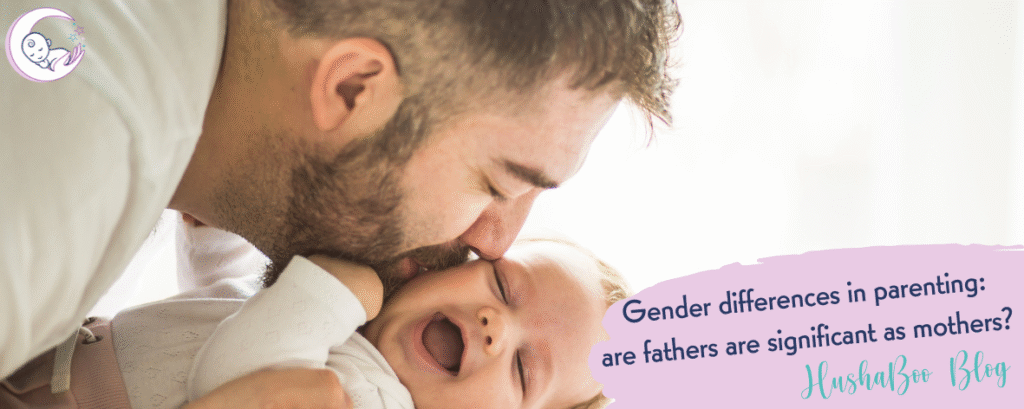
Gender differences in parenting: are fathers as significant as mothers?
Biological changes in new dads post birth and how it primes bonding
One of the best parts of my role as a night nanny is being able to support new parents in the transition to becoming confident, well-informed and happy parents. It is such a privilege to be so closely involved at such a special time in people’s lives.
As a woman, and as a Mum, I naturally find it easier to empathise with other women, and being able to support them in their journey. But at times, it’s men who blow me away with their resilience, love and respect for their partners and newborns. Many of my clients, especially first time dads, are so worried about doing and saying the right thing, having perhaps not had the role models that women have had to guide us. How to hold the baby safely, how to support their partner when away from the home and back to work so quickly, how to interact with their baby…just some of the many common concerns I see. The truth is, women often have similar concerns, but society tells dads that they are not instinctively good at parenting.
BUT, both mums and dads are biologically equipped to be as instinctive as each other! Here’s just some of the amazing changes men go through when becoming a father for the first time:
– their testosterone levels drop (and never return to pre-birth levels), meaning they become more sensitive and empathetic to their child’s needs
– oxytocin, one of the key bonding hormones, rises if you live with your partner during pregnancy
– the male brain is rewired, much like the female brain, in areas crucial to parenting such as affectionate care, threat detection, problem solving and planning
– dads show the same brain activity linked to empathy when interacting with their children, meaning they are just as equipped to understand and nurture their child’s emotional and physical needs
unique relationships
As well as being equal to mums in the key areas of parenting, did you know that men and women have their own very special and unique roles to play in the children’s lives? While oxytocin peaks (with increased activity in the centre of the brain) for women while performing nurturing activities, men experience their highest levels of oxytocin during playtime with their children, highlighting activity in the outer area of the brain. What is even more fascinating, for same sex couples, both male brains adapt to increased activity in both areas of the brain, priming them to fulfil both roles.
bonding
Dads often find it harder than mums to develop a bond with their baby, which is understandable and completely normal. Hopefully the above has proven that it’s possible, but you may still struggle to know how. Most men have limited contact with babies before their own are born, so it can be quite alien to interact, and even just hold one! You may worry that if your partner is breastfeeding, or if you have limited time due to heading back to work, you won’t have the opportunity to bond with your baby. The good news is there’s lots of ways you can get involved, and nurture your very own distinct relationship with your child.
ways to bond with your baby
Pre-birth
Much of the bonding before baby’s arrival is about preparing for life as a parent and adjusting your thoughts, feelings and priorities towards one of a parent.
- Let your baby hear your voice through talking, singing and reading
- Talk about your baby to anyone who’ll listen!
- Spend time thinking and visualising how life with a baby will be, and the type of father you’d like to become
- Support your partner to start adapting to life as a team, and shifting priorities such as attending antenatal appointments and choosing baby items together
- Massage and touch your partners bump, to not only increase the bond between you both, but to start establishing a connection with your baby too
Post-birth
Once the baby arrives, being hands on and present as much as possible is key, helping to build your confidence, and in turn helping you further foster the attachment relationship.
- Continue to talk, sing and read to your baby, even when you think they are too small to know who you are and what you are saying!
- Skin to skin in between feeds is not only a great way to help your baby settle, it also promotes a whole host of mental and physical health benefits for both baby and parents
- Baby massage is lovely way to connect with your baby, especially if you have been at work all day and want to calmly spend time winding down your baby for a good nights sleep
- Engage in daily care routines such as feeding, changing, winding, dressing and bathing
- Find other dads to connect with, sharing the highs and lows to help you each realise that your likened experiences are all very normal
- As the above has shown, dads’ oxytocin levels are at their highest during playtime, so enjoy every opportunity to smile and laugh with your baby through tickling and physical play, silly faces and even some dad jokes!
If you want to take a deeper dive into bonding and attachment, read my other blog posts on how to bond with your baby and how to nurture the parent-child attachment relationship.
teamwork makes the dream (sleep) work
I am definitely witness to the fact that the happiest babies have the best parenting team, because biologically that’s exactly what we’re supposed to do. We can’t ignore the fact that men and women have different roles to play when it comes to raising an emotionally, physically, and cognitively healthy and happy child. Your best bet is to divide and conquer, know your strengths and weaknesses and let your baby have the best of both of you, just as nature intended.
So Happy Father’s Day to all the dads I have supported (and hope to), you are just as important as mums!
While all of these changes are incredible and completely normal, it can be hard to bond with your baby (whether you’re male or female!) when sleep deprived. If you’re struggling, I offer a free 15 minute assessment call so get in touch if you want to chat more about any issues you’re having, and find out if and how I can help. It can be very common for babies to have lingering behavioural sleep issues following reflux, even once the symptoms are long gone.
You can also sign up to the HushaBoo email updates to be the first to find out about future blogs. Or follow HushaBoo on social media…
Blogged by Emma Osborne, Paediatric Sleep Specialist, founder of HushaBoo & Mum to one little boy

Gender differences in parenting: are fathers as significant as mothers?
Recent Comments