


Newborn Sleep Environment
Practical tips to get your newborn sleeping in their own environment, essential products and how to transition into the cot
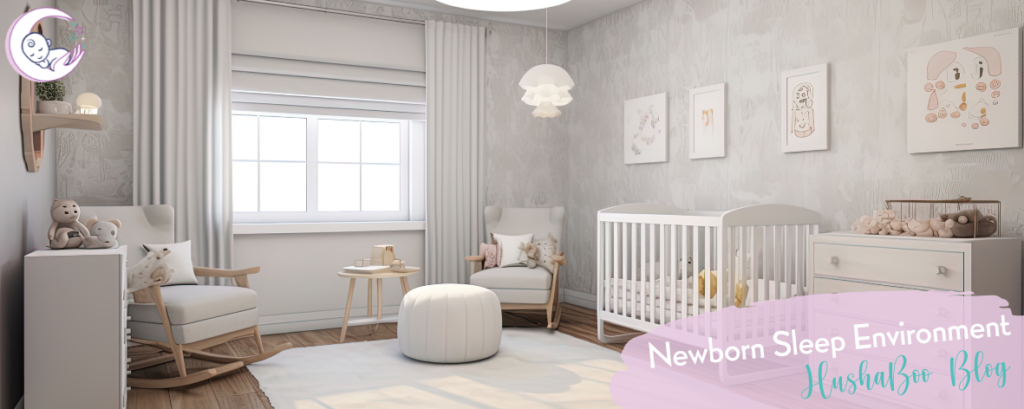
With so many options of where your baby should sleep, to the realisation once they arrive of how on earth to actually get them in there, getting your head around the newborn sleep environment can be daunting and overwhelming. You have to think about safety, practicality and cost, and only a short while later comes the transition to a bigger cot anyway! As ever with baby products, there are lots of options to suit everyone, so here’s my summary of the what, and the how…
Do they need to sleep independently?
Newborn babies are often clingy, having just exited the very comforting environment of the womb – lots of motion, noise and warmth. It’s no wonder that it can be difficult to get them to sleep solo!
Many parents worry that if their newborn is snoozing on them day and night it will create ‘bad habits’ for later on. The truth is, some babies just won’t be put down, and the last thing you need is to feel like you’re on the road to disastrous sleep if that’s your baby. There’s always time to help your baby settle, and so if you find yourself like velcro at the beginning, rest assured there will come a time to gently teach them how to move away from sleeping on/with you, should you wish. Co-sleeping is often either a choice, or an accidental necessity in the first few months, and so it’s important to know that it can be done safely, and without causing long term sleep disruption.
However, the vast majority of babies can be coaxed into their own space with a few tricks and gentle persuasion. Whether you don’t want to sleep in very close proximity to your baby, can’t do so safely, have multiples, or a baby that doesn’t like to be held, there are lots of ways to help them get an earlier start to sleeping in their own environment.
Essentials
Safe sleep space. There are many options nowadays for a newborn to sleep in. Traditional moses baskets, or a modern version such as the SnuzBaskit are still very popular due to their manoeuvrability around the home. Bigger cribs such as the Chicco Next To Me and the SnuzPod may be a better option if you want to ensure they will fit as they grow until ready for a cot, plus most turn into bedside sleepers by removing one side. The hi-tech Snoo is very popular but pricey if bought new, so you can find out my thoughts on whether or not they are worth it here – there are options however to rent or purchase second hand. I also wouldn’t discount a big cot from day one either – babies don’t necessarily need a small space, and they grow quickly! Whatever you choose, make sure the mattress is new even if the rest is second hand, and follow safe sleep guidelines to protect your baby from SIDS.
Clothing and bedding. In the UK, we have cold nights from September all the way round to May, so chances are your baby will need at least 2-3 layers overnight. I usually layer starting with a vest, then a long sleeve sleep suit/babygrow, and a swaddle suit such as the Love to Dream ones. As babies start to roll, they will transfer into a sleeping bag, so a multi purpose swaddle bag like this one can be perfect from 2-3 months as they grow into the next size but aren’t yet ready for their arms to be out! If you buy a lower tog (such as 0.5 or 1 tog), you can layer up with tucked in blankets over the top, though I find in the coldest months, even a 2.5 tog swaddle suit needs an extra layer. In the summer months, de-layer until they are just in a nappy and the lowest tog swaddle suit.
White noise. An essential because I have yet to find a baby that doesn’t settle more easily with white noise! Whether on a device, combined with another product such as a monitor or light, or a standalone white noise machine, it will likely be your best friend in the early months.
Night light. While not a necessity for a baby, they are essential for us to see during nights feeds and settling, while keeping the lights low enough to maintain a calm, peaceful environment. Red/amber light is perfect to keep on all night so everyone can sleep peacefully, but a brighter white light is helpful for nappy changes. My favourite one is the Lumi 2-in-1 night light and white noise machine, which has many options for colours and sounds.
Practical Tips
Thinking back to the above reference to the womb environment, successful settling encompasses tricks to mimic this familiar feeling. Assuming they are fed, free of gas, and are ready for sleep, try the following techniques:
Create a calming environment. Use white noise to mimic the womb environment – nearly all babies I’ve worked with calm quickly with white noise if loud enough (around the same volume as a shower). Have the room around 18-20 degrees so they are comfortable and safely warm, and if they wake as soon as they hit the mattress, try using a hot water bottle to warm the mattress up so that there is less contrast to being on your warm body when you transfer.
Use soothing techniques. Rhythmic patting, stroking, shushing are all great ways to soothe a baby. You can also try rocking them, whether you rock them from side to side on the mattress, or rock the entire crib/basket.
Use the ‘side and roll’ technique. If your baby startles as they are put down on their back, try transferring them onto their side first. Keep your hands on the upwards facing arm until they have adjusted to the mattress, and usually after 1-2 minutes you will be able to successfully roll them onto their back. Swaddling is also really useful for keeping babies with a strong startle reflex asleep for longer.
Experiment with drowsiness levels. Some babies will fall asleep happily from birth if you put them down wide awake. Others will need to be fully asleep (usually around 15-20 minutes into their sleep cycle) before the transfer is successful. Of course there are some in the middle who need to be drowsy (rather than fully alert) but still aware of being put down awake in order to sustain sleep for longer than 5-10 minutes. Try all three to see what suits your baby, and also know that what they need for a nap, may be different to night time!
Responsive settling. It may take several attempts, and potentially lots of picking up and putting down at first before your baby learns how to feel safe sleeping solitary. Try not to be discouraged if they struggle at first, perseverance and practice throughout the early months pays off in the end! As well as using the soothing techniques above, take a look at our free resources such as the Pick Up Put Down method, or the Soothing Ladder, which are perfect to use during the first few months and beyond.
Transition into the big cot
There really is no big strategy to this, because most babies actually relish this transition! We as adults project thoughts and worries of it being too big, bare and uninviting compared to their former cosy sleep spaces. The reality is, by 6 months, babies are on the move (or about to be), and LOVE the big open space of a cot.
Are they ready?
According to the Lullaby trust guidelines, baby can safely sleep in their own room from 6 months of age.
They often use lots of self settling techniques that scare parents into thinking they hate it, such as leg banging, head thrashing and lots of movement in general, so be aware that these are almost always positive signs that your baby is ready.
Here’s a few practical tips to help the transition run smoothly:
Keep it clear – nothing but them and a mattress
Establish a calm, consistent bedtime routine prior to the move, and maintain during
Keep other familiar sleep environment cues the same until fully settled, such as noise, lighting and bedding
Familiarise them with the new cot and room by spending time in there beforehand. It doesn’t have to be for sleep; although naps can help, playtime can be just as beneficial.
As mentioned above, you could opt to go straight for the cot, and skip the worry altogether!
Blogged by Emma Osborne, Pediatric Sleep Specialist, founder of HushaBoo & Mum to one little boy!

Newborn Sleep Environment
Recent Comments