


DON’T FEAR THE REGRESSION
WHY IT’S BETTER TO EMBRACE THE CHANGE, NOT BE FEARFUL OF IT
The word regression is EVERYWHERE you turn once you have a baby, and by the time you have reached the 2 year mark, you may feel like you have been in one long regression since birth.
A ‘regression’ is actually a term used for a particularly tricky phase (or several phases) when your baby or toddler is developing, during which sleep is disrupted. They are usually linked to either cognitive or physical development (or both!), but can also occur during/after illness. travel or a big life event such as moving home.
I sadly see many parents who spend WEEKS building up their anxiety towards these regressions, and for lots of children, they may not occur at all, or be a minor blip at worst. There’s also NO research that backs up set regression times across all babies, likely because the nature of what causes them can occur at different times. So if you’re expecting a regression to occur at 8 months, you may find it doesn’t happen until 10 or 11 months (a long time to be wasted on anxiety), if at all.
Whilst it can be an incredibly tough time for some, it’s worth remembering that for many parents regressions cease to exist, or are nowhere near as bad as they first seemed. Plus there’s a whole heap of strategies you can use to help them through it if you are struggling, so there’s absolutely no need to fear them.
SIGNS OF A REGRESSION
So you thought you’d nailed your babies sleep patterns, were secretly quite smug or embarrassed among friends whose babies weren’t sleeping so well, and then BAM! They’re suddenly waking every 2 hours overnight. You may have just hit a sleep regression.
Regressions are phases typically lasting between 2 to 6 weeks, where a previously good sleeper suddenly starts to experience sleep difficulties, at times round the clock.
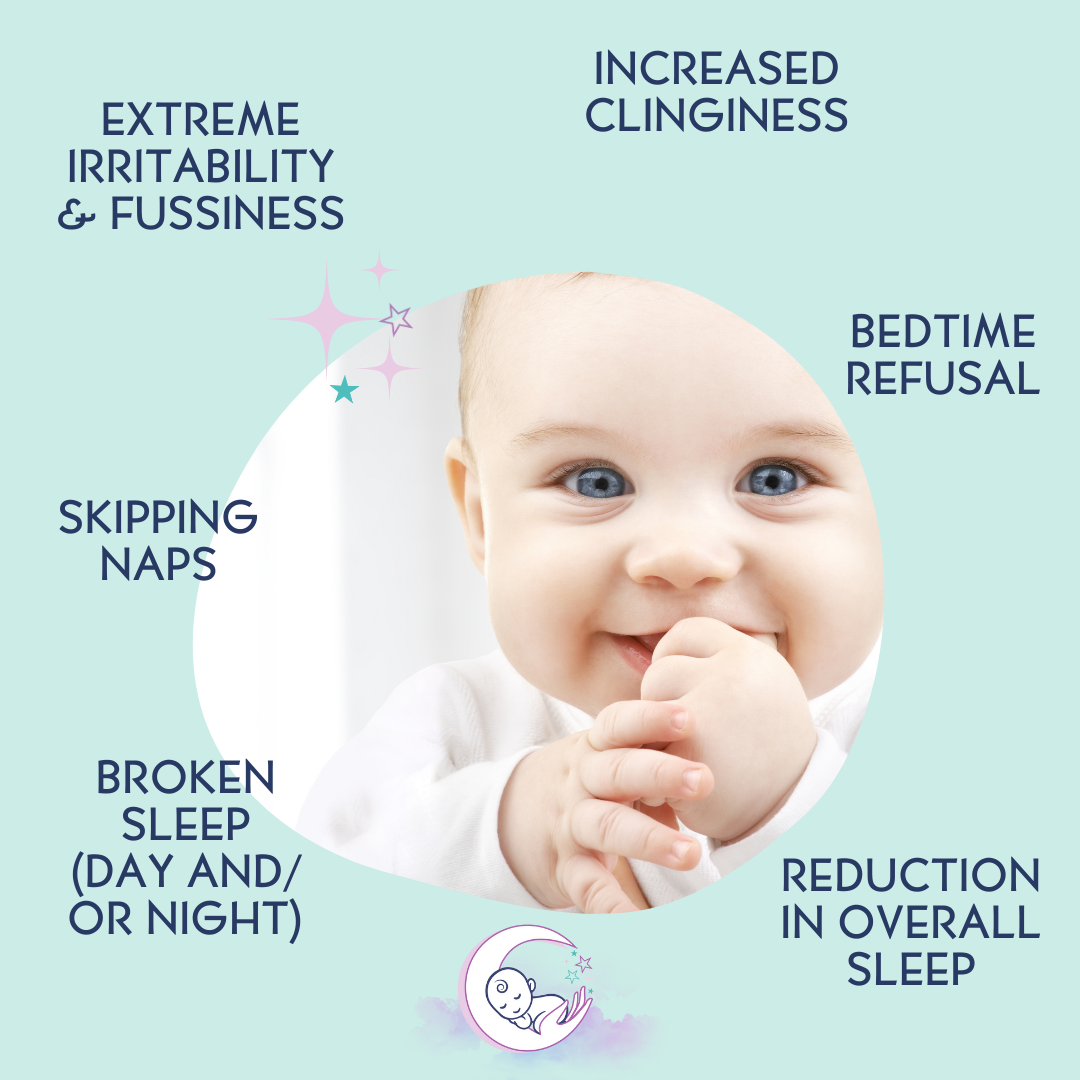
Here’s some signs your child might exhibit:
- Reduction in overall sleep
- Extreme irritability and fussiness
- Broken sleep (both day and night)
- Skipping naps
- Bedtime refusal
- Increased clinginess
TYPICAL AGES & CAUSES
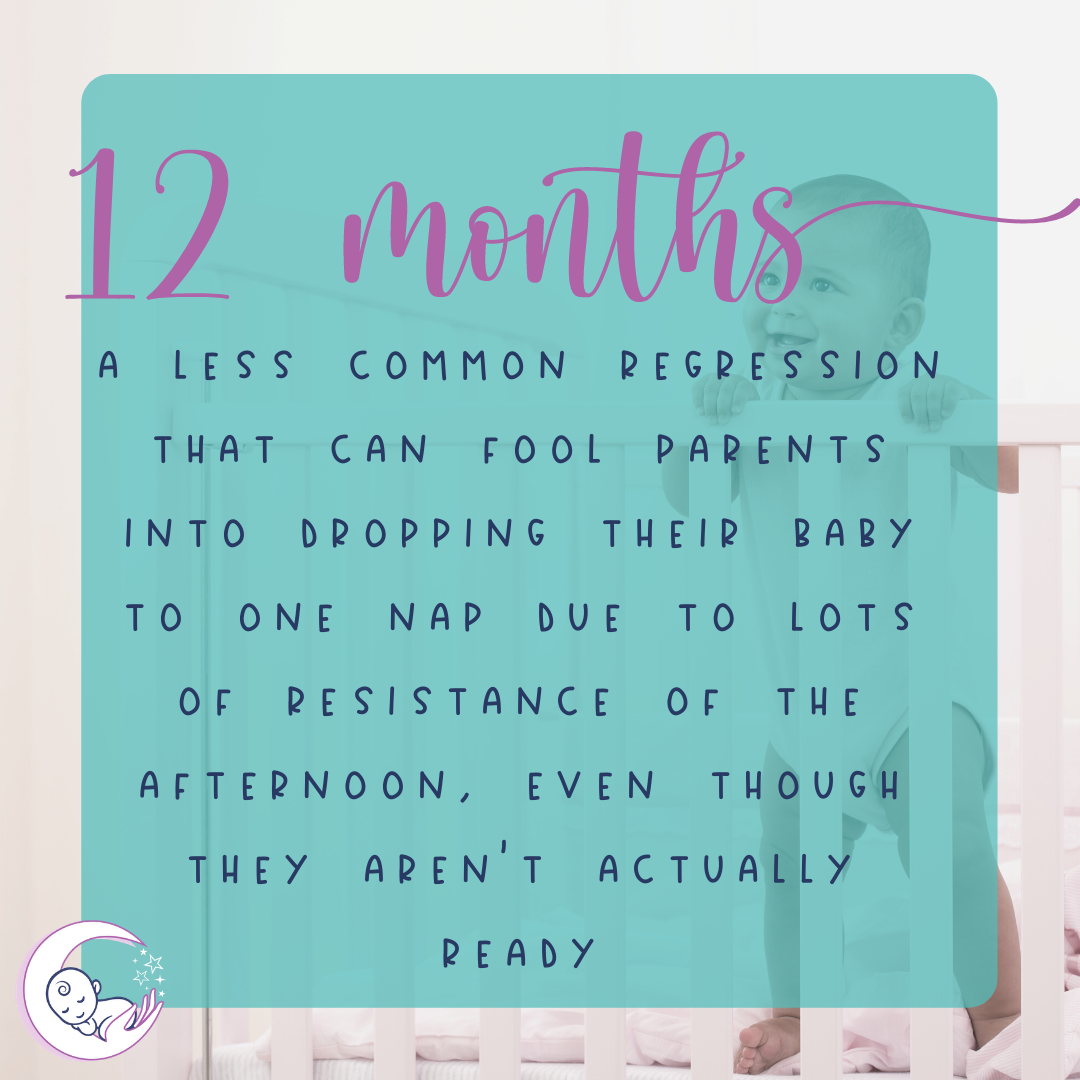
Although there are no set times a regression can occur, there are some general patterns due to developmental milestone averages. There are 4 main phases that can occur in the first 2 years:



SLEEP REGRESSION STRATEGIES
Regardless of when or why your child appears to hit a sleep regression, you can employ the same strategies for each.
Stay consistent with sleep routines and environment. It’s so tempting to start changing things up, especially as it’s normal to analyse every detail in an attempt to try to ‘fix’ their sleep. However, what worked before the regression will highly likely work again post regression. Stick to what you know, including your child’s bedtime routine, their sleep environment and their sleep cues.
Assess their sleep needs. Take a look at the length and timings of both their night and nap sleep, and make sure they are still correct for their ever-changing needs. What can appear to be a development-related regression may actually be a sign that your child’s sleep needs have changed, and so you need to adjust accordingly.
Comfort your child. Don’t be afraid to offer your child more comfort during this stage. For example, a child who is experiencing sudden night wakings due to their new ‘pulling up to standing’ skills, will need help and guidance with laying back down again until they learn to do it for themselves.
Maintain boundaries where possible. A balance between comforting your child through a regression and maintaining boundaries is always key to getting though this phase as quickly as possible. If your child is used to sleeping in a cot, keep them in there as much as you can. If your toddler used to fall asleep independently, avoid rocking them to sleep at every bedtime and night waking. If your baby previously dropped all night feeds, don’t reintroduce them when they start waking up overnight.
How much sleep is more important than when. Try to help them get the correct amount of sleep they need (see our free ‘how much sleep guide’ on our resources page); over-tiredness will only exacerbate the symptoms of the regression. If that means an extra nap or an early bedtime to make up for the lost sleep, so be it. You may need to temporarily pay attention to their sleepy cues and forget the clock in order to not miss their readiness for sleep.
Don’t put off sleep training during a regression – now is actually the perfect time to address the changing developmental needs of your child, and often that means the need to help them learn to settle independently. Many post-regression issues I see are highly linked to self settling skills, so if your baby has yet to develop the ability to fall asleep independently, it’s a good time to help them learn.
Get help! If your young child is going through a regression, don’t be afraid to ask a friend or relative to help give you a break wherever you can and whenever they are able to step in. If you are at all unsure as to whether you need to change sleep patterns, or help assessing whether it’s time to start sleep training, enlist the help of a professional sleep consultant to help support you and you child.
SLEEP REGRESSION FEARLESS FACTS
In summary, try to remember that regressions aren’t always as bad as they are made out to be.
Regressions are linked to milestones and so will occur at different ages from baby to baby.
Not all babies and toddlers will experience all regressions.
It will pass. As annoying as the old ‘everything is a phase’ phrase is, it’s never more true than when it comes to regressions.
There’s always support available from us here at HushaBoo; whether you need a night nanny to provide a much needed break overnight, or a sleep consultant to help troubleshoot, please get in touch to book our free 15 minute assessment call.
Blogged by Emma Osborne, Paediatric Sleep Specialist, founder of HushaBoo & Mum to one little boy who survived the regessions!

Don’t fear the regression

Recent Comments